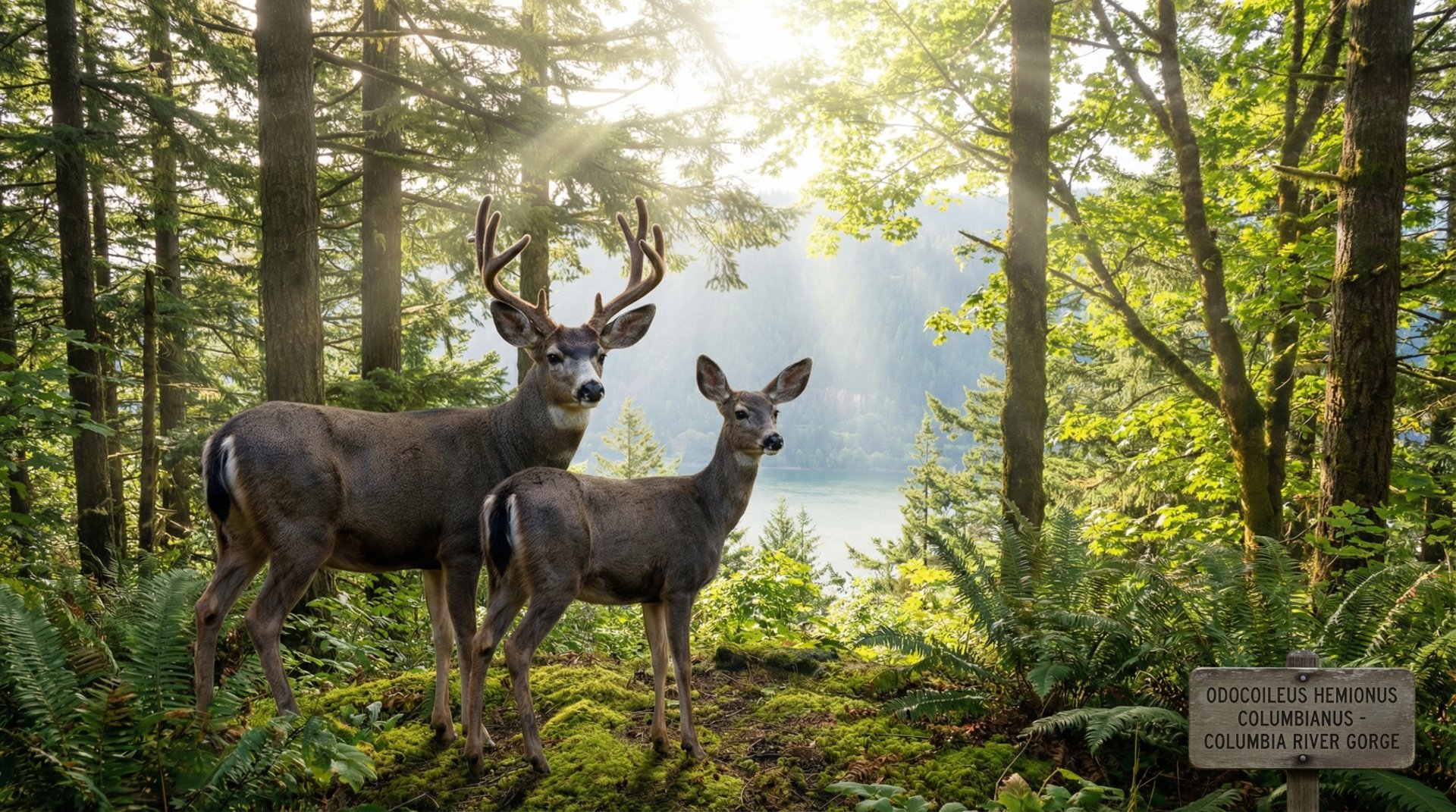
>Wildlife
The Columbia River Gorge is home to a remarkable variety of wildlife. From black bears and elk in the forested highlands to river otters and beavers along the waterways, the Gorge's diverse habitats support an abundance of mammals, reptiles, and amphibians waiting to be discovered.
Banana Slug
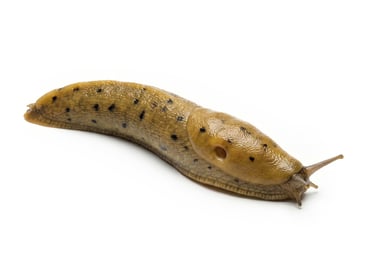
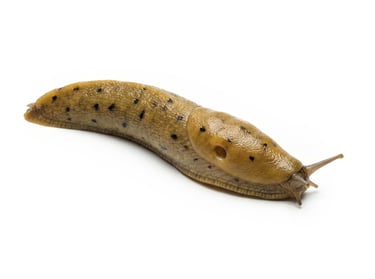
The Pacific Northwest's most iconic invertebrate—a large, bright yellow slug (sometimes greenish or spotted) reaching up to ten inches long. Second-largest slug species in the world. Plays a vital role as a decomposer, feeding on dead plant material, mushrooms, and animal droppings, recycling nutrients back into the forest floor.
Where To Look
Moist conifer forests throughout the western Gorge. Abundant along trails near Multnomah Falls, Wahkeena Falls, and Oneonta Gorge, especially during wet weather. Often seen slowly crossing trails or feeding on mushrooms.
Tracks/Signs
Slime trails on rocks and vegetation, and the slugs themselves are unmistakable. Their bright yellow color makes them easy to spot against dark forest floor.


Beaver
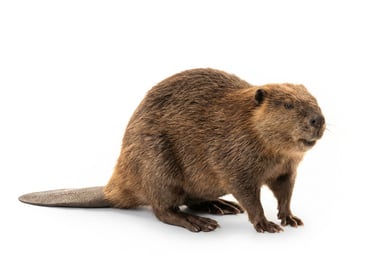
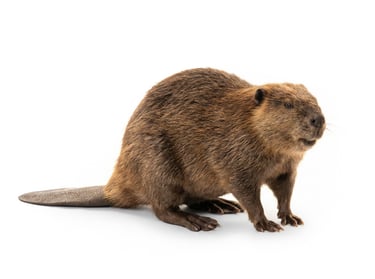
North America's largest rodent—a stocky, semi-aquatic mammal with rich brown fur, a broad flat tail, and oversized orange teeth built for felling trees. Beavers are herbivores, feeding on bark, leaves, and aquatic plants, with a preference for willow, cottonwood, and alder. Most active at dusk and dawn, swimming with just their head visible above water or hauling branches to their lodges.
Where To Look
Slower tributaries, wetlands, and backwater sloughs. Steigerwald Lake National Wildlife Refuge, Franz Lake, and marshy areas near Beacon Rock. Best spotted at twilight.
Tracks/Signs
Gnawed stumps with pointed tips, mud-and-stick dams, lodge mounds, and peeled branches floating in the water. Listen for a loud tail slap on the water—their alarm signal.
Black Bear
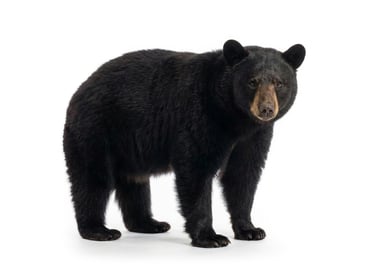
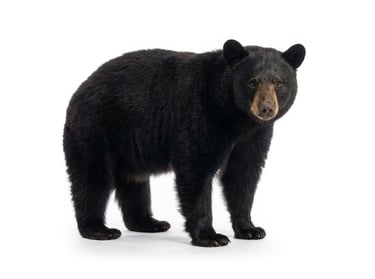
The Gorge's largest predator—a powerfully built omnivore ranging from black to cinnamon brown, with a straight facial profile and no shoulder hump. Despite their size, they're excellent climbers and swimmers. Opportunistic feeders eating berries, nuts, insects, carrion, and occasionally human food if available. Generally shy and avoid people.
Where To Look
Forested areas throughout the Gorge, particularly the wetter western sections. Rarely seen but present near Eagle Creek, Herman Creek, and backcountry trails. Most active spring through fall; they den in winter.
Tracks/Signs
Overturned logs and rocks (searching for insects), torn-apart rotting stumps, claw marks on trees, large oval tracks with five toes and claw marks, and scat filled with berries or seeds.
SAFETY NOTES
Give bears space—never approach or feed them. Store food properly when camping. If you encounter one, speak calmly, back away slowly, and don't run. Black bears rarely attack but may bluff charge.
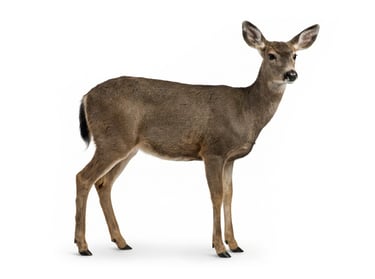
Black-Tailed Deer
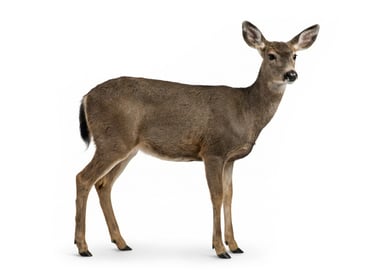
The Gorge's most commonly seen large mammal—a medium-sized deer with a distinctive black-topped tail and reddish-brown summer coat that turns grayish in winter. Bucks grow forked antlers shed each winter. Herbivores that browse on shrubs, grasses, and forbs, they're most active at dawn and dusk but frequently seen midday in shaded areas.
Where To Look
Forest edges, meadows, and roadsides throughout the Gorge. Extremely common at trailheads along the Historic Highway, Beacon Rock, and Catherine Creek. Often graze unconcerned near parked cars.
Tracks/Signs
Cloven hoof prints (two teardrop shapes), scattered pellet droppings, and browse lines on shrubs where leaves have been nipped off at a consistent height.
Columbian Ground Squirrel
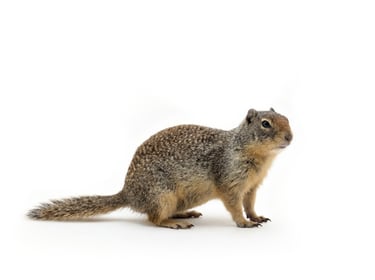
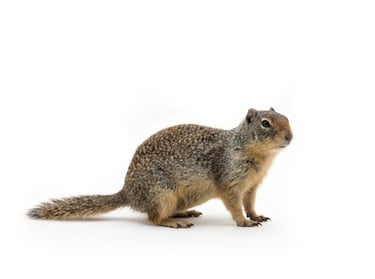
A chunky, social ground squirrel with a grayish back, rusty nose and legs, and a moderately bushy tail. Lives in colonial burrow systems and hibernates from late summer through early spring—one of the longest hibernation periods of any mammal. Herbivores feeding on grasses, seeds, and wildflower bulbs.
Where To Look
Open grasslands and meadows in the eastern Gorge. Abundant at Catherine Creek, Rowena Plateau, and Columbia Hills. Watch for them standing upright on hind legs near burrow entrances, especially in spring and early summer.
Tracks/Signs
Multiple burrow entrances in grassy areas, dirt mounds near holes, and their sharp chirping alarm calls when a hawk or coyote approaches.
Coyote
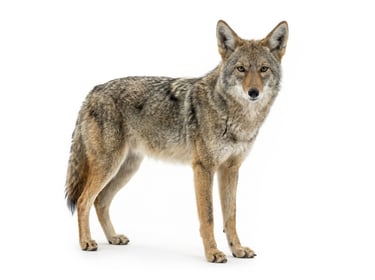
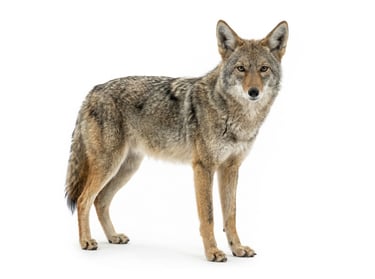
A medium-sized wild canine—lean and leggy with a pointed muzzle, large ears, and a bushy tail held low when running. Coat varies from grayish-brown to tawny. Highly adaptable omnivores eating rodents, rabbits, fruit, insects, and carrion. Often heard before seen; their yipping howls are a signature Gorge sound at dawn and dusk.
Where To Look
Open grasslands, oak woodlands, and agricultural edges, especially in the eastern Gorge. Frequently spotted at Rowena Plateau, Catherine Creek, Columbia Hills, and Mayer State Park. Often seen trotting across fields in early morning.
Tracks/Signs
Dog-like tracks in a straight line (unlike domestic dogs which meander), scat often containing fur and seeds, and the distinctive group howling and yipping at twilight.
Douglas Squirrel
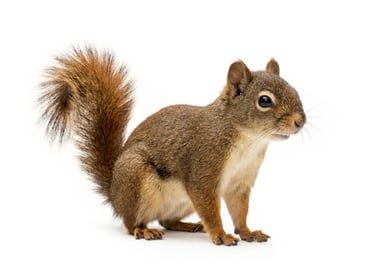
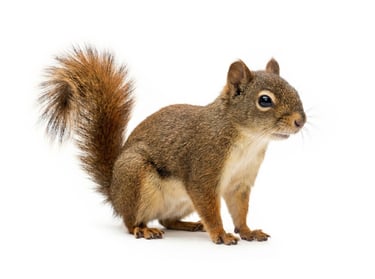
The Gorge's most vocal forest squirrel—a small, energetic tree squirrel with olive-brown fur, rusty belly, and a distinctive white eye ring. Also called chickaree for its loud, chattering alarm call that echoes through conifer forests. Feeds primarily on conifer seeds, fungi, and occasionally bird eggs.
Where To Look
Conifer forests throughout the western Gorge. Common along trails near Multnomah Falls, Wahkeena Falls, and Eagle Creek. Listen for their scolding chatter—they'll often announce your presence long before you see them.
Tracks/Signs
Middens—large piles of stripped conifer cone scales at the base of favorite feeding trees. Also caches of mushrooms drying in tree branch forks.
Elk
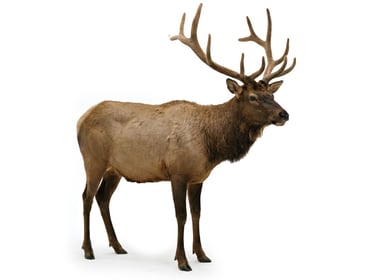
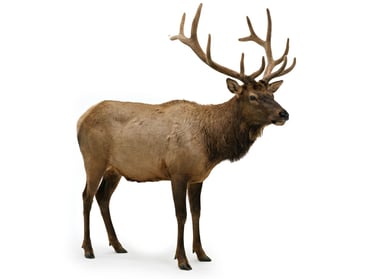
The Gorge's largest land mammal—a massive deer with a tan body, dark brown neck and head, and pale rump patch. Bulls grow impressive antlers reaching four feet or more, shed annually. Elk are grazers, feeding primarily on grasses and sedges. They travel in herds and are most vocal during fall rut when bulls bugle to attract mates.
Where To Look
Less common than deer; found in the eastern Gorge and higher forested areas. Occasionally spotted near Catherine Creek, the Klickitat River canyon, and upper elevation trails. More reliably seen at dawn or dusk.
Tracks/Signs
Large cloven hoof prints (bigger and rounder than deer), large pellet groups, wallows (muddy depressions where bulls roll), and bark rubbed off trees by antlers.
Garter Snake
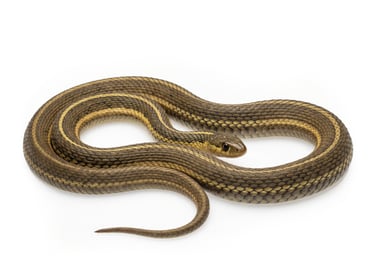
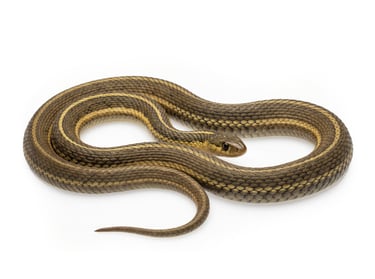
The Gorge's most frequently encountered snake—slender with longitudinal stripes running the length of the body, typically yellow or cream against a darker background. Several species occur in the Gorge. Harmless to humans; they eat slugs, frogs, fish, and earthworms. When threatened, may release a musky odor.
Where To Look
Meadows, stream edges, and rocky areas throughout the Gorge. Very common at Catherine Creek, Coyote Wall, and near any wetland area. Often seen crossing trails or basking on sunny rocks near water.
Tracks/Signs
Shed skins caught on vegetation or rocks, and the snakes themselves are common enough that tracks are rarely needed for identification.
Northern Pacific Rattlesnake
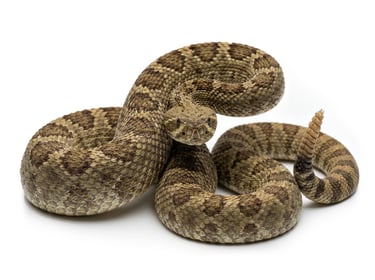
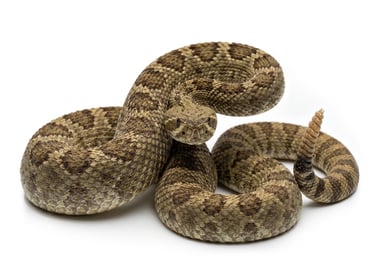
The Gorge's only venomous snake—a thick-bodied pit viper with a triangular head, vertical pupils, and the distinctive rattle on its tail. Tan to brown with dark blotches along the back. Feeds on rodents, birds, and lizards. Generally docile and avoids confrontation; rattles as a warning when threatened.
Where To Look
Dry, rocky areas in the eastern Gorge, particularly near talus slopes and basalt outcrops. Present at Catherine Creek, Coyote Wall, Horsethief Butte, and Columbia Hills. Most active spring and fall; avoid midday summer heat.
Tracks/Signs
Coiled resting spots under rock ledges, shed skins, and the distinctive buzzing rattle sound if you get too close. Tracks show a wide, sinuous path with no leg marks.
SAFETY NOTES
Watch where you step and place your hands, especially near rocks and tall grass. If you hear a rattle, freeze, locate the snake, and back away slowly. Give them at least six feet of space. Bites are rare and almost never fatal with prompt medical treatment.
Pacific Giant Salamander
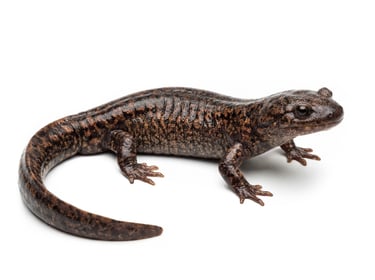
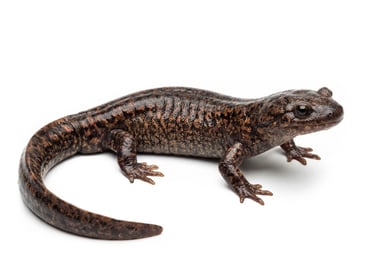
One of North America's largest terrestrial salamanders—stout-bodied and marbled brown with a massive head and thick tail. Can reach nearly a foot long. Unlike most salamanders, adults can vocalize with a low bark or yelp. Carnivores eating insects, slugs, mice, and even smaller salamanders.
Where To Look
Cold, clear streams and moist forests in the western Gorge. Found under rocks and logs near Wahkeena Creek, Multnomah Creek, and other shaded tributary streams. Most often seen by carefully turning cover objects (replace them gently).
Tracks/Signs
Large salamander tracks with four toes on front feet and five on back, and the animals themselves under logs and rocks near streams. Rarely seen unless actively searching.
Pika
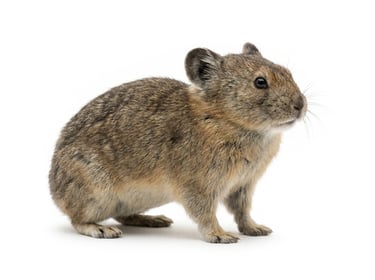
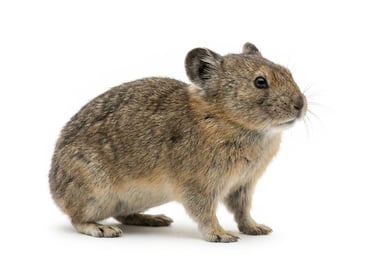
A tiny, round-eared relative of rabbits—grayish-brown and about the size of a tennis ball with no visible tail. Lives in rocky talus slopes at higher elevations and does not hibernate, instead gathering and drying vegetation in 'haypiles' to survive winter. Sensitive to heat; most active in cool morning hours.
Where To Look
Rocky talus fields at higher elevations in the Gorge. Most reliably found on trails like Larch Mountain and other upper-elevation hikes. Listen for their sharp, high-pitched 'eenk!' alarm call echoing off rocks.
Tracks/Signs
Haypiles of dried grasses and wildflowers tucked under rocks, small round droppings near rock crevices, and their distinctive squeaky call.
Raccoon
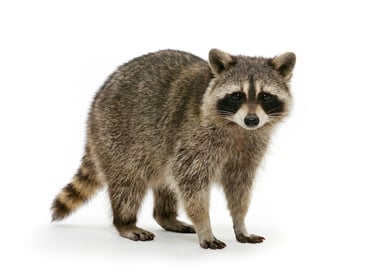
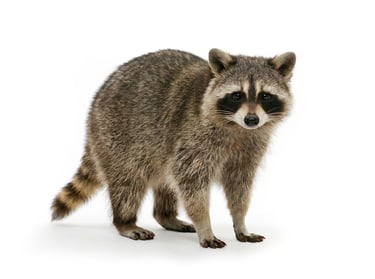
A stocky, medium-sized mammal unmistakable for its black face mask and ringed tail. Grayish fur with dexterous front paws used to manipulate food and open containers. Highly opportunistic omnivores eating fruits, nuts, insects, crayfish, eggs, and garbage when available. Primarily nocturnal but sometimes active on overcast days.
Where To Look
Near water sources, campgrounds, and picnic areas throughout the Gorge. Common at Ainsworth, Eagle Creek, and Beacon Rock campgrounds. Most often seen at night raiding unattended food or washing prey at the water's edge.
Tracks/Signs
Distinctive hand-like tracks with five long fingers, overturned rocks along streams, raided trash cans, and latrine sites where multiple raccoons deposit droppings.
River Otter
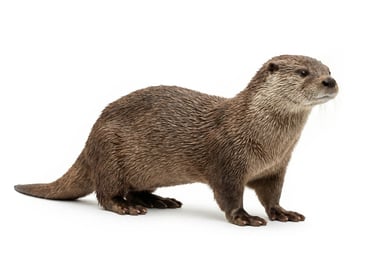
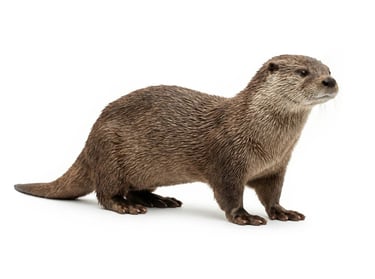
A sleek, playful aquatic mammal with a long body, short legs, webbed feet, and a thick tapered tail. Dark brown fur with a lighter throat. Otters are carnivores, feeding primarily on fish, crayfish, and amphibians. Highly social and active—often seen in family groups sliding down muddy banks or porpoising through the water.
Where To Look
Rivers, streams, and wetlands throughout the Gorge. Steigerwald Lake, Beacon Rock boat launch, and the Sandy River delta are good spots. Look for them swimming with just their head above water or basking on logs and rocks.
Tracks/Signs
Slides on muddy or snowy banks, fish remains and crayfish shells near the water's edge, and spraints (droppings) left on prominent rocks as territorial markers.
Rough-Skinned Newt
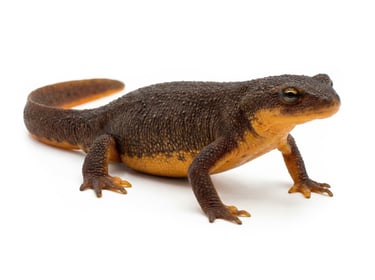
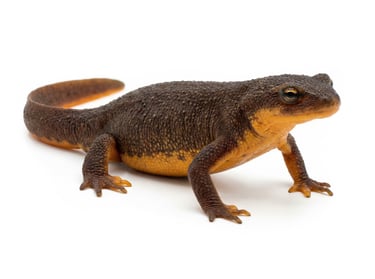
A distinctive amphibian with rough, grainy brown skin above and a vivid orange belly—the bright color warns predators of potent skin toxins. Slow-moving and seemingly unbothered by hikers. Carnivores eating insects, worms, and slugs. Most active during wet weather when they cross trails in large numbers.
Where To Look
Moist forests and stream areas in the western Gorge. Commonly seen crossing trails near Wahkeena Falls, Multnomah Falls, and Oneonta Gorge, especially during rainy periods in spring and fall.
Tracks/Signs
The newts themselves are the best sign—they're slow and conspicuous. Orange belly color is unmistakable. Egg masses are laid singly on underwater vegetation in ponds and slow streams.
SAFETY NOTES
Do not handle newts—their skin secretes tetrodotoxin, the same toxin found in pufferfish. While harmless if left alone, the toxin can be dangerous if ingested or if it contacts eyes or open wounds. Wash hands if accidental contact occurs.
Western Fence Lizard
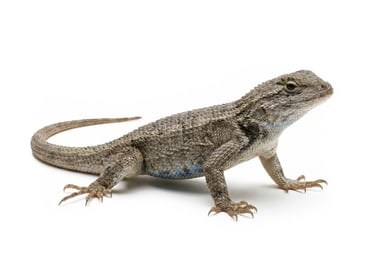
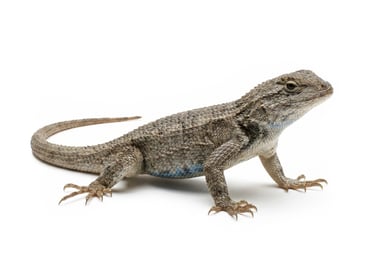
The Gorge's most commonly seen reptile—a small, gray or brown lizard with keeled scales and distinctive blue patches on the belly and throat (brighter in males). Often seen doing push-up displays on rocks to defend territory. Insectivores eating ants, beetles, flies, and spiders.
Where To Look
Sunny rocks, fallen logs, and fenceposts, especially in the drier eastern Gorge. Abundant at Catherine Creek, Rowena Plateau, and Horsethief Butte. Look for them basking in morning sun when they're sluggish and easier to observe.
Tracks/Signs
Small tracks in dusty soil with tail drag marks, and the lizards themselves doing territorial push-up displays on prominent rocks.
Copyright Ticklecreek Design - All Rights Reserved
Contact | Disclaimer