>Parks
Explore the Columbia River Gorge's public parks for awe-inspiring landscapes, from towering cliffs to verdant forests. Enjoy hiking trails, majestic waterfalls, and abundant wildlife in this breathtaking natural wonderland
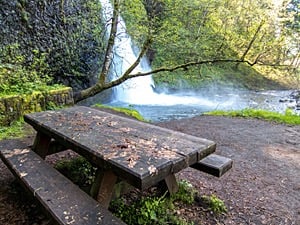
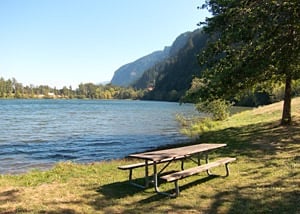
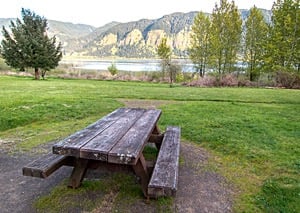
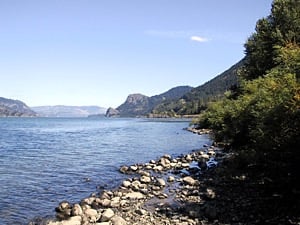
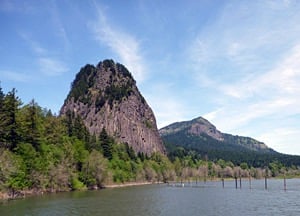
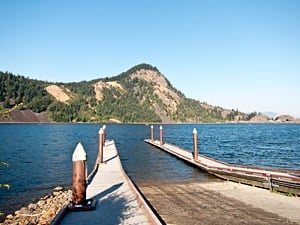
The Columbia River Gorge is home to a remarkable collection of parks spanning both sides of the river, from pocket-sized waysides with picnic tables and river access to expansive state parks with miles of trails and sweeping viewpoints. Many of these parks occupy land shaped by the Missoula Floods, which carved out the dramatic basalt cliffs, carved amphitheaters, and waterfall alcoves that define the Gorge today. On the Oregon side, you'll find iconic stops like Multnomah Falls and Crown Point alongside quieter gems tucked up side canyons. Washington's parks tend to be less crowded, with beaches, forested campgrounds, and access to some of the Gorge's best wind and kiteboarding spots. Whether you're looking for a quick scenic pullout, a shaded afternoon picnic, or a base camp for a weekend of exploration, there's a park for it.
A Reminder...
For anyone contemplating a hike, be prepared when you depart for a hike and ensure you are carrying the proper equipment including a map, compass, flashlight, extra food and water, extra clothing, fire starter, knife, first aid kit and signaling device. A GPS and a cell phone with extra battery. Let someone know your plan and when you expect to return so someone knows if you are overdue.
If you do become lost in the woods, preserve your body heat. Don't lie directly on the ground, make a mattress of pine boughs and/or leaves. Try to find a place out of the rain and wind, but be visible. Staying in place helps searchers locate you as they are searching the area. Carry bright colored clothing you can hang on a tree to attract attention.
Be sure to keep a watch for POSION OAK. To avoid skin contact, wear a long-sleeved shirt and long pants. Immediately wash skin several times with cold water and strong soap if you think you've come in contact with it. Be sure to wash clothing separately from other items.
Copyright Ticklecreek Design - All Rights Reserved
Contact | Disclaimer